

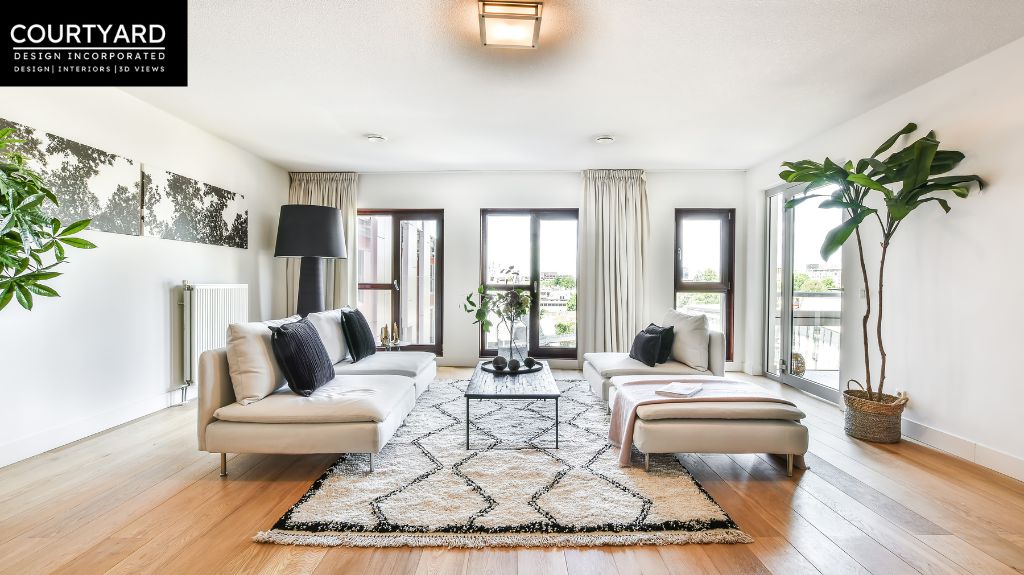
Ever walked into a living room and immediately felt like “this feels like home”, despite never having been there before. The space just works—comfortable, stylish, yet deeply personal. I had this experience once and later that night, the friend confessed she’d redone the room three times before getting it right. “The first two attempts felt like I was living in someone else’s Instagram post,” she joked.
That conversation got me thinking about what makes a living room truly special. It’s not about following rigid rules—it’s about creating a space that feels authentically yours while still being functional and beautiful. Think of it like cooking a signature dish: you follow some basic principles, but the magic happens when you add your personal touch.
A Little History (Don’t worry, it’s not boring)
Before diving into tips, here’s something fascinating: what we call the “living room” today was once known as the “death room” in Victorian times. No joke! By the 1910s, as medicine improved and fewer people died at home, the space transformed into the “living room”—a place meant for, well, living.
Sorry if that bummed you out but now, let’s dive into the Dos and Don’ts of Designing Perfect Living Rooms:
The Do’s: Making Magic Happen in Your Living Space
Start With How You Actually Live
I once helped my brother design his living room. He kept talking about a formal sitting area for guests, but in reality, he orders takeout twice a week and plays video games with friends most weekends. We scrapped the formal design and created a comfortable space with plenty of seating, good lighting for gaming, and surfaces for those takeout containers.
Real Talk: Before buying a single throw pillow, ask yourself—what actually happens in this room? Do you host movie nights? Work from home? Have kids who build pillow forts? Your honest answers should guide every decision.
Find Your Focal Point (And Let It Shine)
Every great room has that one thing your eyes naturally gravitate toward. Maybe it’s a fireplace, a gorgeous view, or even a statement piece of furniture. Whatever it is, embrace it!
Quick Tip: Stand at the entrance to your room. Where do your eyes naturally go? That’s likely your focal point. Now, how can you highlight it rather than hide it?
The Goldilocks Principle: Getting Scale Just Right
We once visited a home where the owner had a massive sectional that literally took up 80% of the room. You had to climb over people to get to the bathroom! On the flip side, there have been large rooms with tiny furniture that looked like dollhouse pieces in a human-sized space.
For smaller spaces:
- Try multi-functional pieces (storage ottoman, anyone?)
- Consider armless chairs that visually take up less space
- A loveseat might work better than a full sofa
For larger rooms:
- Create zones—perhaps a conversation area and a reading nook
- Bigger pieces can help anchor the space
- Don’t be afraid of leaving some breathing room
Pro Secret: Keep about 30 inches between furniture pieces for easy movement. Your shins will thank you.
Light It Up (But Make It Flattering)
Lighting isn’t just functional—it creates mood and atmosphere.
Think in layers:
- Ambient lighting: This is your overall room illumination (ceiling fixtures, recessed lights)
- Task lighting: Reading lamps, desk lights—anything that helps you do specific activities
- Accent lighting: The fun stuff that highlights artwork or architectural features
Game-Changer Tip: Install dimmer switches. They’re relatively inexpensive and completely transform how a room feels throughout the day.
Play with Textures (It’s Like Seasoning for Your Room)
The variations create visual interest even without color contrast.
Try combining:
- Smooth with rough (glass table on a woven rug)
- Soft with hard (velvet pillows on a wooden bench)
- Matte with shiny (matte walls with metallic accents)
Fun Fact: Texture appreciation is deeply rooted in our evolutionary history—our ancestors needed to distinguish between different surfaces for survival. That’s why rooms with varied textures feel more naturally appealing to us!
The 60-30-10 Color Rule (It Actually Works)
People are skeptical about this designer “rule” until they tried it, and it really does create balance:
- 60% dominant color (walls, large furniture)
- 30% secondary color (accent chairs, curtains, larger accessories)
- 10% accent color (throw pillows, artwork, smaller decor)
Beginner Friendly: Start with neutrals for the 60% and 30%, then add a vibrant accent color for the 10%. It’s hard to go wrong this way.
Bring in the Green Team
During the 1970s “houseplant boom,” NASA actually studied how plants improve air quality. They discovered that common houseplants can remove up to 87% of air toxins within 24 hours. Besides the health benefits, plants add life, texture, and a connection to nature.
Plant Parent Tip: Even artificial plants can add visual interest if you’re not ready for the real deal. Just dust them occasionally (something many of us forget!).
The Don’ts: Common Mistakes Even Design-Savvy People Make
The Wall-Hugging Furniture Myth
There’s this persistent idea that pushing all furniture against walls makes a room look bigger. In reality, it often creates an awkward “dance floor” in the middle and makes conversation harder.
I made this mistake in my first apartment. Once I pulled the sofa forward about 12 inches, added a slim console table behind it, and rearranged the chairs to create a conversation area, the room suddenly felt more intentional and welcoming.
The “Just One More Thing” Syndrome
You know that feeling when you’ve eaten enough but take one more bite anyway? Rooms can suffer from the same problem. I’ve caught myself thinking, “This bookshelf looks a bit empty; I should add more decor,” when really, the space needed that visual breathing room.
Reality Check: If you’re questioning whether you need another accessory, you probably don’t. When in doubt, take something out rather than adding more in.
The Furniture Relationship Mismatch
Ever seen a tiny coffee table in front of a massive sectional? Or enormous nightstands flanking a slim bed? It’s like pairing a basketball player with a jockey for a three-legged race—technically possible but awkward for everyone involved.
The Single-Seating Trap
Ever been to a home where all the seating is identical? Four matching chairs or one long sofa with nothing else? It might look neat in photos, but it’s rarely comfortable for actual living.
Different people have different seating preferences:
- Your tall friend might prefer the chair without arms
- Your grandmother might need higher, firmer seating
- Your teenager might want to sprawl on a chaise
Hospitality Hint: Having varied seating options makes guests naturally more comfortable, which is what truly makes a living room inviting.
The Showroom Effect
I once visited a home that looked straight out of a catalog—perfect in every way, but I was afraid to sit down or put my glass on any surface. There wasn’t a single personal item in sight. No books they actually read, no family photos, no travel souvenirs… nothing that told me who lived there.
The most beautiful rooms have personality. They tell your story:
- That weird sculpture you found at a flea market
- The throw blanket your grandmother knitted
- The slightly amateurish painting your friend made
These are the things that transform a living room from a display to a home.
The Bottom Line: Make It Yours
Here’s the truth about living room design that many blogs won’t tell you: there’s no such thing as perfect. What works for a minimalist bachelor in a downtown loft won’t work for a family of five in a suburban home. What looks amazing on Pinterest might feel completely wrong in your actual space.
That’s the real secret to living room design: create a space that makes YOU happy when you walk in the door. Follow the guidelines that make sense for your life, break the rules that don’t, and remember—the best living rooms are the ones where life actually happens.
If you’re looking for the best interior designer in British Columbia, Canada, we’re here to help! Our team specializes in creating luxurious, functional, and aesthetically stunning interiors that reflect your unique style and enhance your living spaces. Whether you’re designing a new home or transforming an existing one, we ensure a seamless blend of elegance, comfort, and functionality.