

Hey there, fellow British Columbians (and beloved readers from beyond our beautiful province)! I’m sure if you checked housing prices lately, you must have probably felt that all-too-familiar knot in your stomach. You did right? Yeah, you’re not alone my dear. As kids, we used to joke about living in garden sheds—now that dream feels strangely… practical.
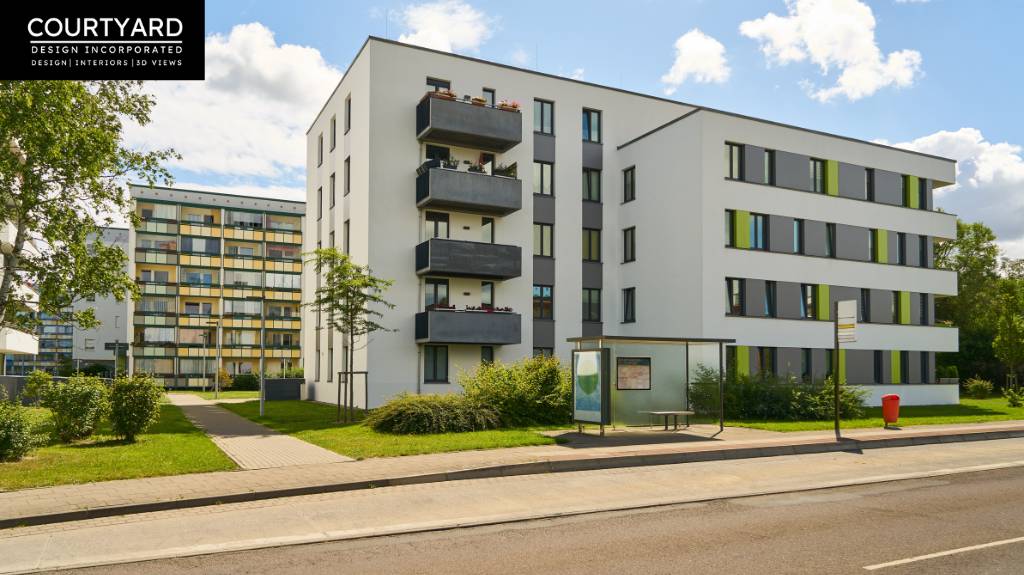
But in 2024, something shifted. BC introduced a new housing policy called Small-Scale Multi-Unit Housing (SSMUH) – a game-changing idea: allowing more than one home on a single residential lot. Think triplexes, fourplexes, sixplexes and multi-units —all legally permitted now.
That’s why today, I want to talk about something that’s more than just a housing trend. It’s a return to our roots, now backed by policy: multi-generational living—and how it’s no longer just a coping mechanism, but a real, flexible, and government-supported solution to BC’s housing crisis.
The Housing Crisis Reality Check
Let’s face the facts—British Columbia’s housing market has become the topic of countless dinner discussions, and not in a nice way. Take Vancouver, for example, ranks among the most expensive cities in the whole of North America, with ripple effects flaring throughout the province. Yesterday, my son called. He just graduated and started a decent job, so he joked about how he would have to work for approximately 847 years to afford a modest condo in Vancouver. I mean that’s steep but it prompted me to take a dig at affordable housing.
The statistics painted a clear picture: the average home price in Metro Vancouver is around $1.1 million. Even in smaller BC communities, prices have skyrocketed. This isn’t just a Vancouver problem – it’s a BC affordable housing crisis that touches every corner of our province.
What Is Multi-Generational Living, Anyway?
Multi-generational homes in BC are residences where two or more adult generations live under the same roof. This might mean grandparents, parents, and children all sharing a home, or adult siblings combining resources to purchase a property together.
This isn’t a new concept—historically, most families lived this way. But somewhere along the line, North American culture embraced the nuclear family model, with each generation expected to maintain separate households. Now, economic necessity is pushing us back toward our roots.
The Legal Shift: How SSMUH Empowers Multi-Generational Living
Until recently, many BC municipalities only allowed one housing unit per lot, making multi-generational living difficult without navigating complex zoning rules. But with the 2024 rollout of the Small-Scale Multi-Unit Housing (SSMUH) policy, the landscape has changed. Now, under provincial guidelines, most urban lots across BC can legally accommodate up to four housing units – depending on lot size, location, and available services. These units can take various forms, such as a main residence, a basement or secondary suite, a laneway or garden suite, or even a second detached home. This legal shift allows families to live together across generations with autonomy and privacy, all on the same lot. Whether it’s aging parents, adult children, or young families, each generation can now enjoy their own fully contained space -without sacrificing connection or proximity.
It’s like having privacy and support, all under one extended roof.
The Math Makes Sense
Let’s face it – Canada’s homeownership cost isn’t exactly gentle. And SSMUH opens the door to a different kind of smart financial planning. With this new policy, families can pool their resources to purchase a single lot and legally build multiple homes on it, typically up to four, depending on lot size and city regulations. That means each household gets its own fully independent unit — with separate kitchens, utilities, and living spaces — but the initial cost of land and construction is shared. That’s where the real savings kick in. Instead of each generation trying to buy their own detached home (and getting crushed by today’s prices), they can collaborate up front to buy one property, then live independently, side by side. It’s a strategic move that sidesteps the affordability crisis while still protecting each family’s autonomy. And over time, the benefits multiply: maintenance costs can be shared, major repairs feel lighter when everyone chips in, and day-to-day support becomes naturally embedded — whether that’s helping with childcare, elder care, or just having someone nearby when life gets hectic.
Benefits Beyond the Dollars
While financial considerations often drive the initial decision, there are other Benefits of Multi-Generational Homes.
Built-in Childcare and Eldercare
Remember when they said “it takes a village”? They weren’t kidding! In multi-generational homes, grandparents often help with childcare while parents work, and adult children can provide support to ageing parents without the guilt of not being around enough.
Knowledge and Cultural Transfer
There’s something magical about watching your children learn family recipes directly from their grandmother or hearing your father tell stories about his childhood to your kids. These moments of connection can’t be scheduled into weekend visits—they happen organically in shared daily life.
Emotional Support Network
Life throws curveballs at us all. Having multiple adults in the home means more hands on deck during crises, whether it’s job loss, illness, or just a really rough day.
Homes for Harmony: Designing a Multi-Generational Home for Comfort & Privacy
With SSMUH now in place, home design for multi-generational living doesn’t need to be a creative workaround. It can be intentional, legal, and fully supported by zoning.
Builders and designers are catching on fast—designing homes that:
- Integrate multiple legal units with private entrances
- Include duplex layouts for parent-sibling combinations
- Feature laneway or garden suites for seniors who want independence with support
The Legal Landscape: Making it Work in BC
Many municipalities have adapted their bylaws to accommodate secondary suites and laneway homes, making multi-generational living in BC more accessible than ever.
Some helpful pathways include:
- Converting existing homes to include legal secondary suites
- Building new with multi-generational plans in mind
- Exploring “house within a house” designs
- Investigating laneway or garden suite options
- Looking into duplex or triplex properties
The provincial government has recognized that alternative housing models are part of what is the solution to the housing crisis, and many local governments have followed suit with more flexible regulations.
Potential Pitfalls (and How to Avoid Them)
I’d be doing you a disservice if I painted multi-generational living as nothing but harmony and savings. Like any living arrangement, challenges exist:
Boundary Issues
The number one complaint I hear concerns boundaries. Who makes decisions about shared spaces? How are shared responsibilities divided? What happens when parenting styles clash? There is one true solution and that is to establish clear guidelines from the beginning.
Financial Transparency
Money matters can strain even the strongest relationships. Successful families create explicit agreements about who contributes what and how expenses are handled.
Privacy Concerns
Everyone needs their own space sometimes. Designing homes with privacy in mind and respecting closed doors goes a long way toward harmonious living.
The beauty of SSMUH is that while each unit is separate, the experience of living close as a family remains. Concerns around noise, boundaries, and shared spaces can be easily resolved when proper planning, clear guidelines, and open communication are built into the project from the start. With the right design and transparency, the benefits far outweigh the friction points.
The Future of Multi-Generational Living
As we look at the future of multi-generational living, the trend appears to be growing, not just in BC but across Canada. Developers have taken notice, with new housing designs specifically targeting extended families.
Urban planners are also recognizing multi-generational housing as part of the solution to our housing crisis. Some municipalities now offer incentives for building or renovating homes to accommodate multiple generations, acknowledging that this model can help address housing shortages.
One such initiative is the Secondary Suite Incentive Program by BC Housing, which offers up to $40,000 in forgivable loans to eligible homeowners creating long-term rental suites. Programs like these make multi-generational living not just feasible—but financially smart.
Is Multi-Generational Living Right for Your Family?
Before you start drawing up renovation plans or house hunting for the perfect multi-generational property, have honest conversations with your family members. Consider:
- Are your relationships healthy enough for closer proximity?
- Do you have shared values around important issues like finances and child-rearing?
- Can you communicate effectively, even during disagreements?
- Have you discussed how long-term care needs might be handled?
Taking the First Steps
If you’re intrigued by multi-generational homes in BC as a potential solution to the housing crisis Canada faces, here are some practical first steps:
- Have preliminary conversations with family members who might be interested
- Consult with a financial advisor about the implications
- Talk to a real estate agent familiar with multi-generational properties
- Research zoning regulations in your target community
- Visit homes designed for multiple generations to get ideas
- Connect with families already living this lifestyle to learn from their experiences
Conclusion: Coming Full Circle (With a Little Help From Policy)
There’s a certain irony in the fact that one of the most promising solutions to today’s housing crisis might be a return to how families used to live – but this time with legal support.
The introduction of SSMUH isn’t just a zoning update. It’s a quiet revolution in how we think about housing, family, and community. It gives British Columbians a way to live more affordably, more meaningfully, and – perhaps most importantly – together, with dignity and privacy.
So whether you’re tired of sky-high rent, missing your parents’ cooking, or looking for a better way to raise your kids with support – multi-generational living in BC isn’t just a nostalgic idea anymore. It’s a viable, sustainable, and now government-endorsed path forward.