

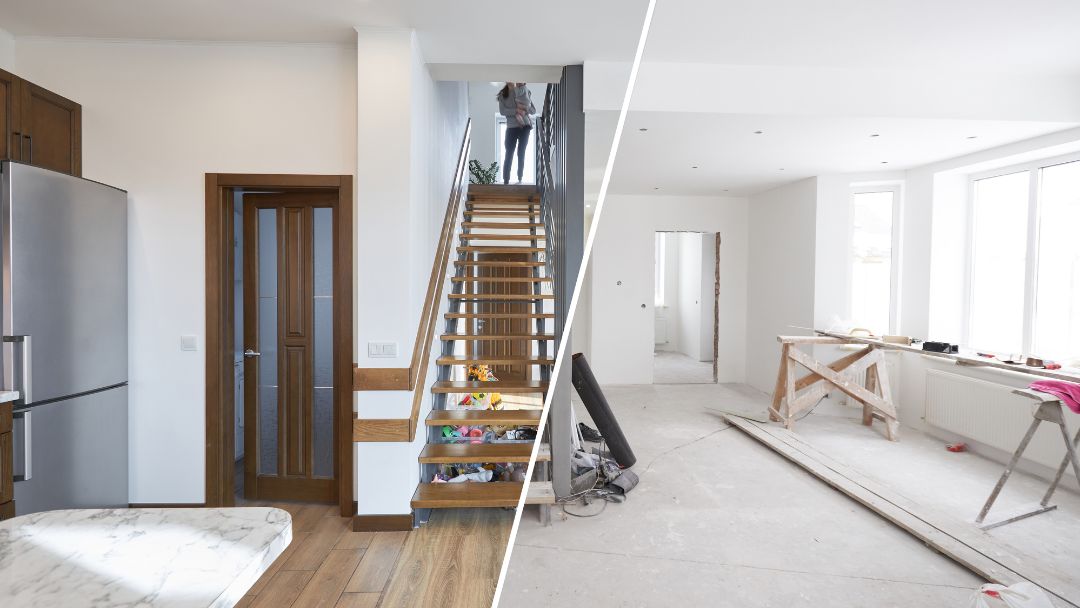
Hello there! So, have you ever noticed how home renovation shows make everything look so easy? The designer just sketches something beautiful, quick montages of work being done, and suddenly—voilà!—a stunning new space appears.God I wish, it worked that way.
My bud Tom learned this the hard way when he decided to “quickly update” his kitchen last year. Six months, countless takeout dinners, and nearly twice the initial budget later, he finally had his dream kitchen—along with a few new gray hairs to show for it.
Look the truth is, the success of any home renovation project depends far more on what happens before the first wall comes down than on what happens after. Whether you’re planning a small bathroom refresh or a whole-house renovation in Canada or elsewhere, proper planning can mean the difference between a renovation dream and a renovation nightmare.
1. Define Your Vision and Set Realistic Goals
Before you bring the walls down, take time to clearly define what you actually want to achieve with your home renovation. Are you looking to increase functionality, update an outdated space, or just add value to your home?
Create a vision board (digital or physical). No, it’s not stupid, it works. I remember telling this to my old man and he called me and my plan stupid but my mum forced him to and it worked. He did not admit it though. Anyways, try making it with inspirational images from magazines or make it on Pinterest or take pictures from there if you want to. But remember—while that floating staircase might look amazing in a magazine, it might not be practical for your 100-year-old home’s structure or your budget.
A Canadian home renovation plan often needs to consider extreme weather conditions, so your goals should align with practical regional concerns like insulation and heating efficiency, not just aesthetics.
2. Establish a Detailed Budget (And Then Add 20%)
One universal truth about home renovations is that they almost always cost more than you think they will. So, when creating your budget, be meticulous about accounting for all potential expenses:
- Materials
- Labor costs
- Permit fees
- Design fees
- Temporary housing if necessary
- New furniture or décor
- Unexpected issues (there WILL be unexpected issues)
Once you’ve calculated your budget, please add at least 20% as a contingency fund. This isn’t being pessimistic—it’s being pragmatic. When my sister renovated her Victorian-era home in Toronto, she discovered knob and tube wiring behind the walls that needed complete replacement—an $8,000 surprise that would have derailed her project without a contingency fund.
3. Research and Hire the Right Professionals
Unless you’re a very skilled Mr. Do it Myself, you’ll likely need to hire professionals. This is not an area to cut corners bud—the quality of your renovation largely depends on the quality of the people doing the work. It really does.
When searching for contractors:
- Ask for recommendations from friends and family
- Check online reviews and ratings
- Verify licenses and insurance
- Request detailed quotes from at least three contractors
- Ask for references and examples of previous work
- Trust your gut—if something feels off during the interview, it probably is
One of the most valuable tips for renovating an old house: find contractors who specialize in historical renovations if your home has any age to it. They’ll understand the quirks and challenges specific to older constructions.
4. Understand the Permit Process
Nothing halts a renovation faster than permit issues. Many homeowners underestimate the time and paperwork involved in getting proper permits, but skipping this step can lead to serious consequences—including fines or even having to undo completed work.
Different municipalities have different requirements, so research what’s needed in your specific area. In most cases, permits are required for:
- Structural changes
- Electrical work
- Plumbing modifications
- HVAC installations
- Some window replacements
- Additions
If navigating the permit process sounds overwhelming (it often is), consider hiring a permit expediter or asking your contractor to handle this aspect of the project.
5. Create a Realistic Timeline
“How long will it take?” might be the most difficult question in renovation planning. While your contractor might give you an estimate, experienced homeowners know to take that number and multiply it—especially for complex projects.
A good house renovation tip: break your timeline into phases, accounting for:
- Planning and design (2-3 months for larger projects)
- Permit approval (varies widely, from days to months)
- Ordering materials (some custom items can take 8-12 weeks)
- Demolition
- Construction
- Finishing touches
Remember that certain aspects must happen in sequence—you can’t install drywall before the electrical work is inspected, for instance.
Related Read: How to Increase Your Property Value with Home Renovation
6. Plan for Daily Life During Renovation
This is the home improvement tip people most often overlook: how will you live during the renovation? If you’re renovating your only bathroom or your kitchen, you’ll need alternatives for those essential spaces.
Consider:
- Will you need temporary housing?
- Can you set up a makeshift kitchen elsewhere?
- How will you secure valuables during construction?
- What’s your plan for pets who might be stressed by noise and strangers?
A friend who renovated her entire main floor created a mini-apartment in her finished basement with a microwave, mini-fridge, and temporary shower. “It wasn’t glamorous,” she told me, “but it saved my sanity—and thousands in hotel costs.”
7. Choose Materials and Fixtures Early
One common renovation delay stems from indecision or late decisions about materials. Selections for everything from flooring to faucets should be made before work begins, especially for items with long lead times.
Create a detailed spreadsheet of all materials needed, including:
- Flooring
- Paint
- Cabinetry
- Countertops
- Lighting fixtures
- Plumbing fixtures
- Hardware
- Appliances
- Tile
- Trim and molding
For each item, track the supplier, cost, delivery timeline, and any special installation requirements. This level of organization will prevent the dreaded “We can’t continue until you choose a backsplash” scenario.
8. Communicate Effectively With Your Team
Clear, consistent communication can prevent most renovation headaches. Establish from the beginning:
- Your preferred method of communication (text, email, phone)
- Expected frequency of updates
- Chain of command for decisions
- Process for handling changes or issues
A dedicated renovation notebook or digital document where you record all decisions, conversations, and changes can be invaluable—especially if disputes arise later.
9. Prepare for the Unexpected
Look bud, mental preparation is as gonna be as important as financial preparation if you wanna do this. Accept that some aspects of your plan may need to change, and maintain flexibility throughout the process.
A sense of humor helps too. As one renovation veteran put it: “If you can’t laugh when they find the mysterious pipe that no one can identify but everyone’s afraid to remove, you’re going to have a very long few months.”
10. Focus on the Finish Line
Renovation fatigue is real. As weeks stretch into months, decision fatigue sets in, and living in a construction zone wears on even the most patient homeowners.
Combat this by:
- Celebrating small milestones
- Keeping photos of the “before” to remind yourself why you started
- Visualizing the finished space
- Taking breaks from the property when possible
- Remembering that this situation is temporary
One of my favorite home renovation planning tips comes from a colleague who renovated a century home in Vancouver: she scheduled a housewarming party months in advance, giving herself a firm deadline. “Nothing motivates progress like knowing twenty friends will be showing up to see the results,” she laughed.
Conclusion
So before you swing that first hammer or call in the crew, take a breath. Do your homework. Ask questions. Make lists. Check them twice (Santa doesn’t have to be the only one). Your future self — sipping coffee in that sunlit kitchen or sinking into that perfectly placed reading nook — will be forever grateful. And remember: measure twice, renovate once… and always hide the snacks from the contractors. They will find them.
Looking for reliable home renovation services in Surrey, BC? Get in touch with us today!