

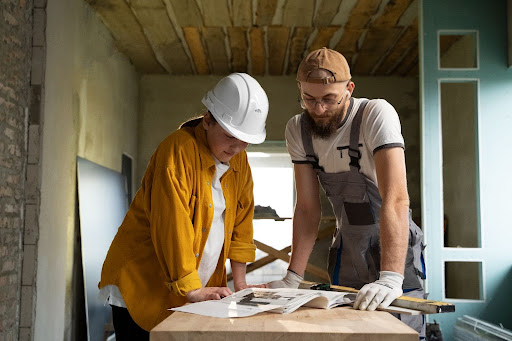
Building a custom home is something many of us dream of. It’s a space that’s inherently you; it reflects your personality and provides a life that you truly desire. Although it gives you the freedom to design and build the home the way you please, it also brings along several challenges and budget overshooting is one of the most common ones. It is extremely important to avoid overspending when building a custom home, as it might stretch beyond control if not checked at the right time. Careful planning, strategic decision-making and being careful through the building process are key to ensuring that you don’t overspend.
Tips to Avoid Overspending When Building a Custom Home
Finalizing a budget for building a custom home is a tedious process. You must take multiple factors into account before you narrow down on a reasonable amount. Sticking to that budget is an even bigger challenge as it is really tough to anticipate things that might spring up during the building process, and you may need to give in to most of them. Here’s how you can successfully ace the cost-effective custom home-building process:
Understand Budgetary Requirements
Start construction cost management by thoroughly understanding what you will need funds for. Usually, you will have to spend on:
- Land: The plot where you will build your custom home. This may vary depending on the size and location
- Architects and designs fee: You will need an architect to design your custom home, and that would amount to some expenditure
- Construction costs: This typically includes materials (wood, metal, lumber, concrete, roof, windows, plumbing material, electricals, finishing materials) and labor (cost for hiring construction crew)
- Legal fee: Permits and legal clearances for zoning, inspection and environmental clearances from government departments
- Landscaping: This may be optional, but if you do the exteriors, it will cost you a handful
- Fixtures and interiors: Electrical fittings, plumbing fixtures, interior materials, etc.
- Contingency funds: Keeping some contingency amount aside right at the beginning is an effective strategy to ensure you don’t scramble for funds at the last moment
Hire the Right Team
From your custom home designer to the builder and other professionals, ensuring that you put together a trustworthy and experienced team is essential. Choose people who can understand and deliver your vision while working well within the budget. A lot of builders offer a fixed-cost approach, which may be the ideal way forward as it fixes a budget at the start of the project, resulting in more transparency. Open communication at all stages of the project is also important as it will help you to chart out your expectations, get timely updates on the construction and communicate important points at every stage. Taking care of these factors can save you from unexpected and costly mistakes.
Maximize Needs, Minimize Wants
There is only a thin line between what you need and what you want. And, in many cases, people end up mixing both. Today’s market offers innumerable options, making it a tempting proposition to get carried away. The best way to avoid this situation is to make a list of what is absolutely necessary for building your custom home. Make a separate list of things you may want to add if the budget allows. Stick to the first list, and hold yourself accountable for any deviation from the list so that you ensure there are no costly add-ons.
Choose Materials Smartly
Having innumerable options may be tempting, but it also has a positive aspect to it. When it comes to materials, you have ample options to play with. Do your market research well and opt for materials that look great but are budget-friendly. Do negotiate with the vendors, there is always a profit margin they can let go to give you a good deal. Buying in bulk is another great way of reducing the cost of materials. If you plan well in advance, you will have a fair idea of what is required and how much it is required. When you find a good dealer, you can purchase it all in one go, getting a decent bargain.
Be Futuristic
Any living space will evolve with time. So, be mindful of your future needs and design and build your custom home accordingly. Be it futuristic and energy-saving lighting fixtures, designing extra spaces or using material that will last long, such choices will ensure that you don’t have to renovate or refurbish in a hurry.
Monitor the Progress
Having a trustworthy and experienced team will make your custom home building experience smoother, but you still need to monitor the work in progress. It is always a good idea to communicate with the contractors and builders regularly and ask them for a progress report. Keep reminding them of the timelines and ensure they stick to them. Visit the site regularly so that they know you know what is happening on the site. A lack of involvement can lead to unexpected delays, ultimately costing you more.
Don’t Change the Plan Often
There is a reason why a plan is made in the first place. Changing the plan for your custom home will only amount to an increased price. It is best to plan meticulously and then follow the plan to the T. Set the boundaries for mid-project adjustments/changes if required. Don’t lose focus and don’t give in to the temptation of adding extras once the blueprint is final. This is one of the most effective cost saving tips for new homes.
Conclusion
Building a custom home is not just an exercise, it’s an experience. The joy of building something from scratch and watching it take shape is something that will stay with you forever. Try to make the most of it. However, also remember to be objective and stern with your planning and strategies. Building a custom home within the budget is important. Overshooting your budget can spoil the fun of building your dream home. Follow the above-mentioned points, and we can assure you that your dream will come true.