
How Multi-Generational Living and Multi-unit housing (SSMUH) Policy Are Changing the Housing Game in BC
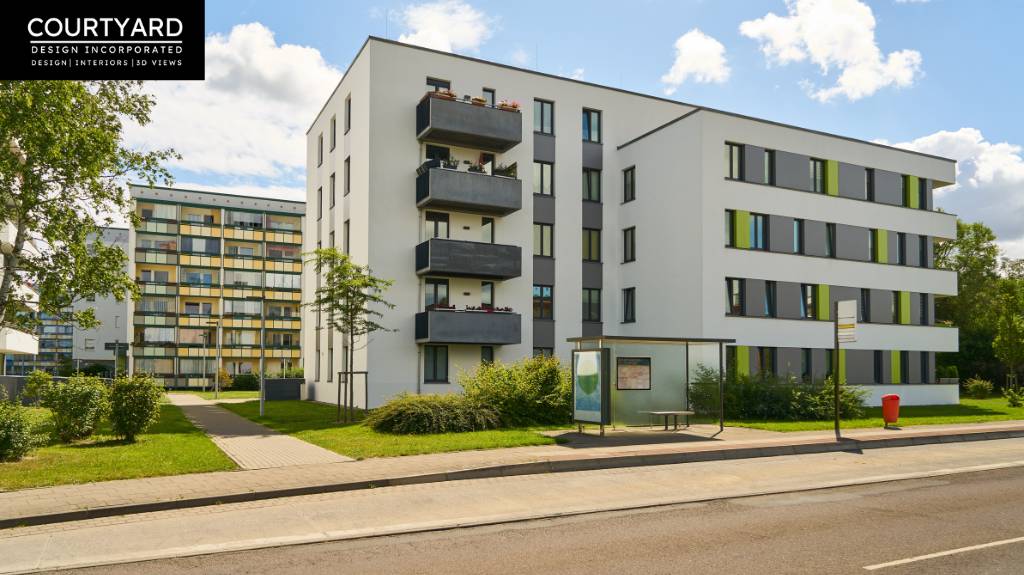
Hey there, fellow British Columbians (and beloved readers from beyond our beautiful province)! I’m sure if you checked housing prices lately, you must have probably felt that all-too-familiar knot in your stomach. You did right? Yeah, you’re not alone my dear. As kids, we used to joke about living in garden sheds—now that dream feels strangely… practical. But in 2024, something shifted. BC introduced a new housing policy called Small-Scale Multi-Unit Housing (SSMUH) – a game-changing idea: allowing more than one home on a single residential lot. Think triplexes, fourplexes, sixplexes and multi-units —all legally permitted now. That’s why today, I want to talk about something that’s more than just a housing trend. It’s a return to our roots, now backed by policy: multi-generational living—and how it’s no longer just a coping mechanism, but a real, flexible, and government-supported solution to BC’s housing crisis. The Housing Crisis Reality Check Let’s face the facts—British Columbia’s housing market has become the topic of countless dinner discussions, and not in a nice way. Take Vancouver, for example, ranks among the most expensive cities in the whole of North America, with ripple effects flaring throughout the province. Yesterday, my son called. He just graduated and started a decent job, so he joked about how he would have to work for approximately 847 years to afford a modest condo in Vancouver. I mean that’s steep but it prompted me to take a dig at affordable housing. The statistics painted a clear picture: the average home price in Metro Vancouver is around $1.1 million. Even in smaller BC communities, prices have skyrocketed. This isn’t just a Vancouver problem – it’s a BC affordable housing crisis that touches every corner of our province. What Is Multi-Generational Living, Anyway? Multi-generational homes in BC are residences where two or more adult generations live under the same roof. This might mean grandparents, parents, and children all sharing a home, or adult siblings combining resources to purchase a property together. This isn’t a new concept—historically, most families lived this way. But somewhere along the line, North American culture embraced the nuclear family model, with each generation expected to maintain separate households. Now, economic necessity is pushing us back toward our roots. The Legal Shift: How SSMUH Empowers Multi-Generational Living Until recently, many BC municipalities only allowed one housing unit per lot, making multi-generational living difficult without navigating complex zoning rules. But with the 2024 rollout of the Small-Scale Multi-Unit Housing (SSMUH) policy, the landscape has changed. Now, under provincial guidelines, most urban lots across BC can legally accommodate up to four housing units – depending on lot size, location, and available services. These units can take various forms, such as a main residence, a basement or secondary suite, a laneway or garden suite, or even a second detached home. This legal shift allows families to live together across generations with autonomy and privacy, all on the same lot. Whether it’s aging parents, adult children, or young families, each generation can now enjoy their own fully contained space -without sacrificing connection or proximity. It’s like having privacy and support, all under one extended roof. The Math Makes Sense Let’s face it – Canada’s homeownership cost isn’t exactly gentle. And SSMUH opens the door to a different kind of smart financial planning. With this new policy, families can pool their resources to purchase a single lot and legally build multiple homes on it, typically up to four, depending on lot size and city regulations. That means each household gets its own fully independent unit — with separate kitchens, utilities, and living spaces — but the initial cost of land and construction is shared. That’s where the real savings kick in. Instead of each generation trying to buy their own detached home (and getting crushed by today’s prices), they can collaborate up front to buy one property, then live independently, side by side. It’s a strategic move that sidesteps the affordability crisis while still protecting each family’s autonomy. And over time, the benefits multiply: maintenance costs can be shared, major repairs feel lighter when everyone chips in, and day-to-day support becomes naturally embedded — whether that’s helping with childcare, elder care, or just having someone nearby when life gets hectic. Benefits Beyond the Dollars While financial considerations often drive the initial decision, there are other Benefits of Multi-Generational Homes. Built-in Childcare and Eldercare Remember when they said “it takes a village”? They weren’t kidding! In multi-generational homes, grandparents often help with childcare while parents work, and adult children can provide support to ageing parents without the guilt of not being around enough. Knowledge and Cultural Transfer There’s something magical about watching your children learn family recipes directly from their grandmother or hearing your father tell stories about his childhood to your kids. These moments of connection can’t be scheduled into weekend visits—they happen organically in shared daily life. Emotional Support Network Life throws curveballs at us all. Having multiple adults in the home means more hands on deck during crises, whether it’s job loss, illness, or just a really rough day. Homes for Harmony: Designing a Multi-Generational Home for Comfort & Privacy With SSMUH now in place, home design for multi-generational living doesn’t need to be a creative workaround. It can be intentional, legal, and fully supported by zoning. Builders and designers are catching on fast—designing homes that: Integrate multiple legal units with private entrances Include duplex layouts for parent-sibling combinations Feature laneway or garden suites for seniors who want independence with support The Legal Landscape: Making it Work in BC Many municipalities have adapted their bylaws to accommodate secondary suites and laneway homes, making multi-generational living in BC more accessible than ever. Some helpful pathways include: Converting existing homes to include legal secondary suites Building new with multi-generational plans in mind Exploring “house within a house” designs Investigating laneway or garden suite options Looking into duplex or triplex properties The provincial government has recognized that alternative housing models are part of what
How to Maximize Your Property Value with Home Renovations
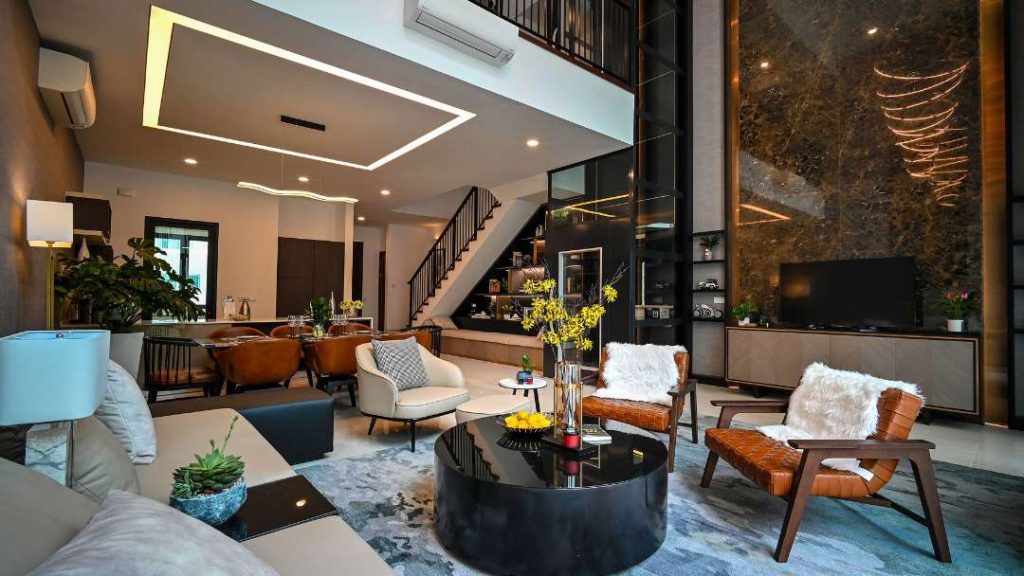
Have you been binge-watching those home renovation shows where they magically transform disaster houses into dream homes, all while dramatically increasing their value? Well, I’ve got news for you: real-life renovations aren’t quite as simple as a 30-minute TV episode makes them seem! I learned this the hard way when I decided to “upgrade” my first home with what I thought was a brilliant idea – converting my garage into a state-of-the-art home theatre. Sure, it was fantastic for movie nights, but when it came time to sell? Let’s just say buyers were more concerned about where they’d park their cars than where they’d watch “The Batman.” This experience taught me a valuable lesson: not all renovations are created equal when it comes to boosting property value. So before you knock down walls or splurge on that custom fish tank installation, let’s talk about smart renovation strategies that actually pay off. So, How to Maximize Your Property Value with Home Renovations? As my friend Tom says, “Measure twice, renovate once!” (He’s still recovering from his impulsive decision to install plush carpet in his bathroom. Pro tip: Don’t do that.) Just have a go at the steps below: 10 Best Home Renovations to Add Value 1. Kitchen Updates: The Heart of Home Value The kitchen remains the undisputed champion of value-adding renovations. You don’t necessarily need a complete gut job to see returns. Even minor updates can yield impressive results. Focus on: Modern appliances (energy-efficient options are a big plus) Quality countertops (quartz and granite continue to appeal to buyers) Updated cabinetry (or simply reface existing cabinets) Improved lighting Modern Plumbing fixtures/ fittings Fresh backsplash A modest kitchen remodel can recoup 70-80% of your investment while making your daily life more enjoyable. Remember that extremely high-end custom kitchens rarely return dollar-for-dollar value, so aim for appealing rather than extraordinary. 2. Bathroom Refreshes: Small Spaces, Big Returns Bathrooms may be small, but when it comes to renovation impact, they punch way above their weight. A few smart upgrades here can make a powerful impression on potential buyers — which is why bathroom remodels consistently rank among the best renovations for boosting resale value. Consider: Replacing outdated fixtures Adding modern vanities and mirrors Updating lighting Installing water-efficient toilets and showerheads Re-grouting or replacing tiles Even simple cosmetic updates can transform a tired bathroom into a refreshing retreat that impresses buyers and adds genuine value. 3. Adding Usable Square Footage: Space Equals Value In real estate, usable space translates directly to value. Adding square footage, when done properly, ranks among the best home renovations for resale value. Consider: Finishing a basement Updating garage flooring Adding a deck or sunroom Building an addition (where lot size permits) Just remember that quality matters as much as quantity. A poorly executed addition can actually detract from value, so professional design and construction are essential. 4. Fresh Paint: The Most Cost-Effective Upgrade Never underestimate the transformative power of fresh paint. This remarkably affordable improvement delivers one of the highest returns on investment. For maximum value: Choose neutral, broadly appealing colors Don’t skip proper preparation Use quality paint that will last Include trim, doors, and ceilings A well-executed paint job can make an aging home feel fresh and well-maintained, significantly boosting perceived value for minimal cost. 5. Outdoor Living Spaces: Expanding Functional Area Creating inviting outdoor living areas effectively expands your home’s usable space and appeals to buyers’ lifestyle aspirations. Value-adding outdoor projects include: Deck or patio addition Outdoor kitchen components Fire pit or fireplace Quality landscaping Pergola or covered seating area Related Read : 10 Essential Tips For Planning a Successful Home Renovation 6. Energy Efficiency Improvements: Invisible But Invaluable They might not steal the spotlight like a shiny new kitchen, but energy efficiency upgrades are the quiet heroes of home renovation. With today’s buyers more eco-conscious (and utility-bill aware) than ever, improvements like better insulation, smart thermostats, or energy-efficient windows can seriously boost your home’s appeal — and its value. Worthwhile investments include: Upgraded insulation High-efficiency HVAC systems Energy-efficient windows Smart thermostats Solar panels (in suitable markets) High-efficiency HVAC systems These improvements not only boost your home’s value but also reduce operating costs while you still live there. Win-win! 7. Curb Appeal Enhancements: First Impressions Matter Never underestimate the power of curb appeal. Your home’s exterior creates that critical first impression that sets the tone for everything else. Value-boosting exterior projects include: Fresh paint or siding Updated front door (one of the highest ROI projects!) Landscaping improvements Driveway repairs Outdoor lighting These projects often cost less than major interior renovations while significantly enhancing perceived value and buyer interest. 8. Flooring Updates: The Foundation of Good Design Flooring sets the tone for your entire home. Outdated or damaged flooring immediately signals “fixer-upper” to potential buyers. Value-adding options include: Hardwood flooring (perennial favorite for ROI) Quality engineered wood Luxury vinyl plank (for budget-conscious renovations) Tile in bathrooms and kitchens Avoid highly personalized or trendy choices. Neutral, high-quality flooring appeals to the widest range of potential buyers. 9. Smart Home Technology: Modern Appeal Today’s buyers expect homes to be ready for modern living. Thoughtful smart home upgrades can distinguish your property from competition. Consider: Smart security systems Programmable lighting Connected thermostats Video doorbells Automated blinds These technologies feel luxurious while actually being relatively affordable upgrades that appeal particularly to younger buyers. 10. Improved Storage Solutions: Addressing a Universal Desire Nobody has ever complained about having too much storage! Enhancing storage capacity and quality is among the best renovations for rental property and personal homes alike. Worthwhile projects include: Custom closet systems Kitchen pantry upgrades Garage organization systems Built-in bookshelves or cabinetry These improvements make daily living more pleasant while signaling to potential buyers that the home can easily accommodate their belongings. Home Renovation Mistakes to Avoid Now for some common home renovation mistakes to avoid if you want to protect your investment: 1. Over-Personalization I still remember touring a home with my realtor friend where the owner had installed
10 Essential Tips for Planning a Successful Home Renovation
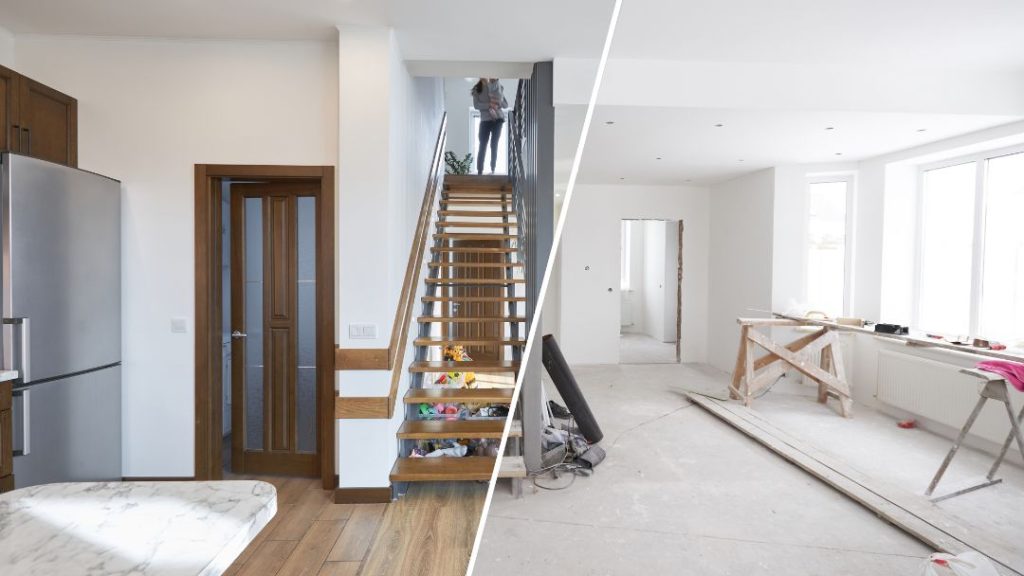
Hello there! So, have you ever noticed how home renovation shows make everything look so easy? The designer just sketches something beautiful, quick montages of work being done, and suddenly—voilà!—a stunning new space appears.God I wish, it worked that way. My bud Tom learned this the hard way when he decided to “quickly update” his kitchen last year. Six months, countless takeout dinners, and nearly twice the initial budget later, he finally had his dream kitchen—along with a few new gray hairs to show for it. Look the truth is, the success of any home renovation project depends far more on what happens before the first wall comes down than on what happens after. Whether you’re planning a small bathroom refresh or a whole-house renovation in Canada or elsewhere, proper planning can mean the difference between a renovation dream and a renovation nightmare. 1. Define Your Vision and Set Realistic Goals Before you bring the walls down, take time to clearly define what you actually want to achieve with your home renovation. Are you looking to increase functionality, update an outdated space, or just add value to your home? Create a vision board (digital or physical). No, it’s not stupid, it works. I remember telling this to my old man and he called me and my plan stupid but my mum forced him to and it worked. He did not admit it though. Anyways, try making it with inspirational images from magazines or make it on Pinterest or take pictures from there if you want to. But remember—while that floating staircase might look amazing in a magazine, it might not be practical for your 100-year-old home’s structure or your budget. A Canadian home renovation plan often needs to consider extreme weather conditions, so your goals should align with practical regional concerns like insulation and heating efficiency, not just aesthetics. 2. Establish a Detailed Budget (And Then Add 20%) One universal truth about home renovations is that they almost always cost more than you think they will. So, when creating your budget, be meticulous about accounting for all potential expenses: Materials Labor costs Permit fees Design fees Temporary housing if necessary New furniture or décor Unexpected issues (there WILL be unexpected issues) Once you’ve calculated your budget, please add at least 20% as a contingency fund. This isn’t being pessimistic—it’s being pragmatic. When my sister renovated her Victorian-era home in Toronto, she discovered knob and tube wiring behind the walls that needed complete replacement—an $8,000 surprise that would have derailed her project without a contingency fund. 3. Research and Hire the Right Professionals Unless you’re a very skilled Mr. Do it Myself, you’ll likely need to hire professionals. This is not an area to cut corners bud—the quality of your renovation largely depends on the quality of the people doing the work. It really does. When searching for contractors: Ask for recommendations from friends and family Check online reviews and ratings Verify licenses and insurance Request detailed quotes from at least three contractors Ask for references and examples of previous work Trust your gut—if something feels off during the interview, it probably is One of the most valuable tips for renovating an old house: find contractors who specialize in historical renovations if your home has any age to it. They’ll understand the quirks and challenges specific to older constructions. 4. Understand the Permit Process Nothing halts a renovation faster than permit issues. Many homeowners underestimate the time and paperwork involved in getting proper permits, but skipping this step can lead to serious consequences—including fines or even having to undo completed work. Different municipalities have different requirements, so research what’s needed in your specific area. In most cases, permits are required for: Structural changes Electrical work Plumbing modifications HVAC installations Some window replacements Additions If navigating the permit process sounds overwhelming (it often is), consider hiring a permit expediter or asking your contractor to handle this aspect of the project. 5. Create a Realistic Timeline “How long will it take?” might be the most difficult question in renovation planning. While your contractor might give you an estimate, experienced homeowners know to take that number and multiply it—especially for complex projects. A good house renovation tip: break your timeline into phases, accounting for: Planning and design (2-3 months for larger projects) Permit approval (varies widely, from days to months) Ordering materials (some custom items can take 8-12 weeks) Demolition Construction Finishing touches Remember that certain aspects must happen in sequence—you can’t install drywall before the electrical work is inspected, for instance. Related Read: How to Increase Your Property Value with Home Renovation 6. Plan for Daily Life During Renovation This is the home improvement tip people most often overlook: how will you live during the renovation? If you’re renovating your only bathroom or your kitchen, you’ll need alternatives for those essential spaces. Consider: Will you need temporary housing? Can you set up a makeshift kitchen elsewhere? How will you secure valuables during construction? What’s your plan for pets who might be stressed by noise and strangers? A friend who renovated her entire main floor created a mini-apartment in her finished basement with a microwave, mini-fridge, and temporary shower. “It wasn’t glamorous,” she told me, “but it saved my sanity—and thousands in hotel costs.” 7. Choose Materials and Fixtures Early One common renovation delay stems from indecision or late decisions about materials. Selections for everything from flooring to faucets should be made before work begins, especially for items with long lead times. Create a detailed spreadsheet of all materials needed, including: Flooring Paint Cabinetry Countertops Lighting fixtures Plumbing fixtures Hardware Appliances Tile Trim and molding For each item, track the supplier, cost, delivery timeline, and any special installation requirements. This level of organization will prevent the dreaded “We can’t continue until you choose a backsplash” scenario. 8. Communicate Effectively With Your Team Clear, consistent communication can prevent most renovation headaches. Establish from the beginning: Your preferred method of communication (text, email, phone) Expected
7 Questions to Ask Before Hiring a Custom Home Design Firm
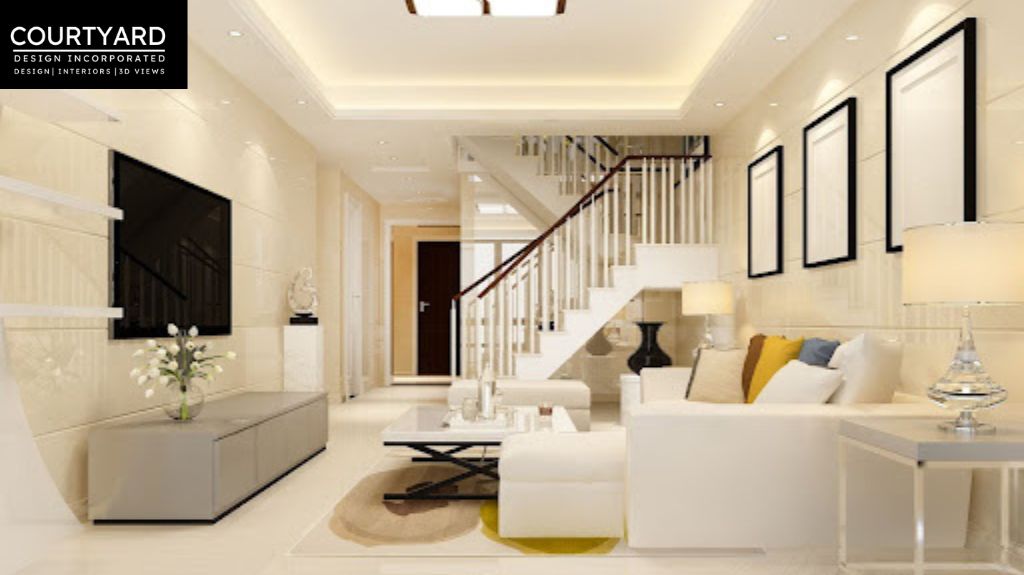
Hey, you’ve decided to build your dream home huh—many many congratulations to you. It’s a big step and best wishes to you. Now, let’s get to it, shall we? Before you begin selecting wallpaper prints and debating over open-concept layouts, don’t miss out on the most crucial step: hiring the right custom home design firm. This choice can make or break your entire experience, turning your Pinterest board into reality or, well… a structural disappointment. But don’t you worry, we are here for you. Let’s make this a little fun active read, come on- Let’s take a step back. Take a moment to list down what you want. What do you really want this home to feel like? It’s you who is gonna be living in it right? So think about your lifestyle, about where you like to spend time alone or with loved ones, and about personal things that you want in your home. Just maybe imagine any long-term plans, and discuss what you’re gonna entertain often. Is there a need for any dedicated workspaces? This understanding of your needs before approaching a designer will take you halfway through the course of this marathon. It will make the process smoother and ensure your dream home is a functional one, not just an aesthetic masterpiece. Now let’s give you some questions that can help you out in interviewing designers. Here are seven essential questions you should ask before making the big hire. 1. What Is Your Experience with Custom Home Design? Not all designers are created equal. Some specialize in modern minimalism, while others might have a portfolio full of traditional colonial homes. Have a glance at their past projects that align with your vision. It’s a bonus if they’ve worked with homes in your area, as they will already be familiar with local regulations and any climate considerations. Also, it will be a good idea to inquire about their expertise in energy-efficient design and smart home integration—trends that are not only stylish but also add significant long-term value to your home. And here’s a little insider tip: check out their previous projects in different seasons if possible. A house that looks stunning in summer might have poor insulation for winter. A designer with experience in climate-responsive design will know how to tackle these concerns. 2. Can You Walk Me Through Your Design Process? Great design firms have a preset step-by-step process for bringing your vision to life. Do they start with an in-depth consultation? Will they show 3D renderings? How do they handle revisions? Understanding this will help you gauge whether their workflow aligns with your expectations. Additionally, ask how involved you need to be. Some firms require frequent client input, while others prefer to handle things independently with periodic updates. Choose a firm that matches your desired level of involvement. Map out meeting schedules and visits. 3. How Do You Handle Budget Constraints? The big question huh? It’s one thing to have a grand vision; it’s another to keep it within budget. A reliable custom home designer will be transparent about costs, helping you prioritize features without sacrificing quality. Ask how they are gonna manage unexpected expenses and whether they have any experience working within different budget ranges. Consider discussing value engineering, a process where designers find cost-effective alternatives to achieve a similar aesthetic without breaking the bank. It really helps. Oh, wait, also don’t forget to ask about hidden costs—permits, last-minute design tweaks, and material price fluctuations can add up. A good designer will definitely account for these possibilities upfront rather than surprising you later. Related Read : How to avoid overspending when building a custom home 4. Who Will Be My Main Point of Contact? It’s the worst getting passed around from one person to another, explaining your vision repeatedly to a new person every day. Make sure you get a dedicated project manager who understands your needs and keeps communication smooth and punctual. This can make the entire process feel seamless rather than stressful. Also, clarify their preferred communication method and frequency—do they do weekly updates, milestone meetings, or on-demand check-ins? Knowing this upfront can save you a lot of frustration down the road. Here’s something many homeowners overlook: chemistry matters. If you find it difficult to communicate with your designer in early discussions, it is only gonna get worse down the road. Trust your gut on this one whether this is someone you want to work with for months (or years) to come. 5. What Is Your Timeline for Completing the Design? Rome wasn’t built in a day, and neither will your custom home. But that doesn’t mean you should be left in the dark about how long things will take. Ask for an estimated timeline, including key milestones, and ensure they factor in potential delays (because let’s face it, they always happen). Some firms use project management software that allows you to track progress in real time—ask if this is an option to keep things more transparent. If your project has a hard deadline—like moving in before the school year starts—communicate this early. Not all designers work at the same pace, and you don’t want to find out too late that your timeline isn’t realistic. 6. How Do They Work with Builders and Contractors? Designing a home isn’t just about making things look good on paper—it has to actually work in reality. That’s where builders and contractors come in. A good home design firm won’t just hand off a blueprint and disappear; they’ll have strong connections with contractors to make sure the plan comes to life smoothly. So, ask them how they collaborate. Do they stay involved throughout the process? Will they check in to make sure things are on track? Some firms even offer design-build services, meaning they handle both the planning and construction. This can be a huge plus because it keeps things streamlined, avoiding miscommunication between different teams. Also, let’s be real—unexpected issues always pop up during construction. Maybe
14 Unique Features Every Custom Home Should Have in 2025
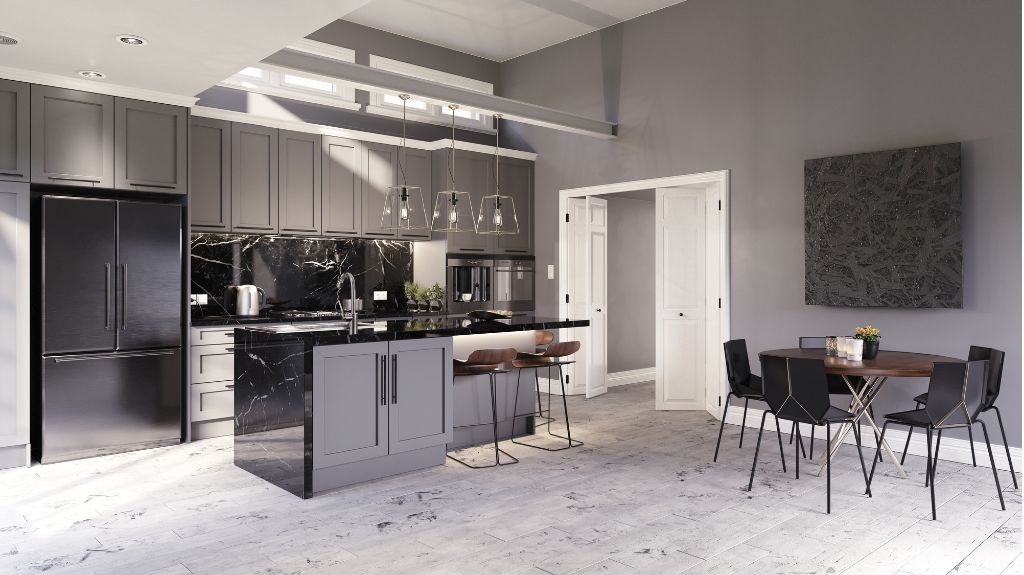
So, you are building a custom home—your dream home eh, Congratulations there! It’s a big step making your own home. This isn’t gonna be just another house; it’s the place where your kids can grow up, where laughter fills the walls, and where you find respite at the end of a long day. It’s where you spend, host family movie nights, and celebrate even the simplest moments that are meaningful. This isn’t just about bricks and land—it’s about your future, your home. Your custom home should be just as practical as it is beautiful, designed around how you live, work, and unwind. That’s why adding a few thoughtful, innovative, and future-ready touches can transform your home from something good to something extraordinary. Working with a custom home designer ensures that every detail—big or small—fits your vision and lifestyle, making your home truly one of a kind. Without further ado, here are 14 luxury custom home features that will make your home as functional, comfortable, and future-ready as possible in 2025. 1. A Hidden Pantry with Garage Access Don’t you just hate those back-breaking trips from the car boot to the kitchen? Now, imagine pulling into your garage with a car full of groceries and effortlessly unloading them through a small pass-through door leading directly into your pantry. That too in one go. No more hauling heavy bags, no more stuff lying around, just nice and easy restocking. 2. Welcoming Double Height Entrance Lobby Step in, and you’re greeted by a stunning double-height entrance lobby—it’s not just a space, it’s gonna be a moment. With its open, airy feel, it welcomes you home in the grandest way possible. Your home is now your casa, with just a small detail, it adds to that feeling of elegance, grandeur and comfort. You can’t help but pause and take it all in. People are gonna come to your home and will say, “Damn! What an entrance.” 3. A Kitchen Designed for Real Cooking A spaceless, clumsy kitchen is a sure-shot recipe for disaster. Your kitchen should be as efficient and roomy as it is beautiful. Consider features like: A prep kitchen (a secondary kitchen) for serious and heavy cooking while keeping the main kitchen pristine. A workstation sink with built-in cutting boards and drying racks to maximize counter space. Double dishwashers – Trust us, if you love hosting, one is never gonna be enough! 4. A Landscaped Backyard for Social Gatherings Imagine this: A summer evening, the soft glow of fairy lights, the warmth of a crackling firepit, and your closest friends gathered around, drinks in hand, enjoying the night. Your backyard should feel like your personal campfire, a place to unwind and reconnect. Picture a hobby garden where you can grow your own herbs and veggies, a charming gazebo for shaded seating, or maybe a hot tub or small pool to melt your stress away. Add a gentle water feature—a little waterfall or fountain—to create the perfect, peaceful atmosphere. It’s your space to relax, recharge, and make memories. 5. A Wellness & Recovery Room Sometimes fitness is more than cardio and lifting, it’s about giving our body a little retreat. So instead of just a home gym, think about a wellness room that can have: A sauna or steam shower. An ice bath for post-workout recovery. Space for yoga, meditation, or even a massage chair. (Not a bean bag) 6. Heated Floors & Towel Racks Ever stepped out of a warm shower onto an ice-cold floor? We all have made that jumping dance from the bathroom onto the bed to the closet. Not the best or say safest way to start your day. Heated floors will make those chilly mornings so much cozier, and with heated towel racks, you’ll wrap yourself in warmth instead of shivering your way to the closet. Pure comfort, every single day. 7. A Pet-Friendly Mudroom If you have pets, you know the struggle—muddy paws, fur everywhere, and the dreaded post-walk cleanup. A mudroom with a built-in pet washing station is a total game-changer. Think of it as a mini spa for your furry friend—quick rinses, less mess, and no more scrambling to clean up paw prints all over the house! 8. A Walk-in Closet with a Built-in Laundry Why haul laundry baskets across the house? A walk-in closet connected to a private laundry area makes it effortless to keep things clean and organized. And pro tip: if your bedrooms are upstairs, your laundry room should be too—because who wants to trek up and down carrying heavy baskets all day, you are not a sherpa, right? 9. High-Tech Home Office & Flex Spaces With so many of us working from home and learning online these days, having a space that works for you is essential. But why settle for just an office? Think about a flexible space that can change as life does. One day it might be the perfect playroom for the kids, and the next it could transform into a cozy guest room or even a workout zone. The key is designing a space that can grow and evolve with you—because let’s face it, our needs are always changing. 10. Indoor-Outdoor Living Spaces Design your home so the indoors flow seamlessly into the outdoors. Features like: Retractable glass walls A covered deck opening to the kitchen/dining area, perfect for summer BBQs and relaxed brunches Outdoor kitchens with built-in grills Heated patios for year-round enjoyment These elements make your backyard feel like an extension of your home. 11. A Luxurious Spa-Like Bathroom Your bathroom should be more than just a place to get ready—it’s your moment of peace, your quiet time. Whether you’re waking up or winding down, it should feel like a mini retreat. Imagine stepping into a warm shower that feels like a gentle rain, or sinking into a deep tub that lets you forget the world for a while. Add some soft lighting that matches your mood, and maybe even a speaker to play
How to Avoid Overspending When Building a Custom Home
Building a custom home is something many of us dream of. It’s a space that’s inherently you; it reflects your personality and provides a life that you truly desire. Although it gives you the freedom to design and build the home the way you please, it also brings along several challenges and budget overshooting is one of the most common ones. It is extremely important to avoid overspending when building a custom home, as it might stretch beyond control if not checked at the right time. Careful planning, strategic decision-making and being careful through the building process are key to ensuring that you don’t overspend. Tips to Avoid Overspending When Building a Custom Home Finalizing a budget for building a custom home is a tedious process. You must take multiple factors into account before you narrow down on a reasonable amount. Sticking to that budget is an even bigger challenge as it is really tough to anticipate things that might spring up during the building process, and you may need to give in to most of them. Here’s how you can successfully ace the cost-effective custom home-building process: Understand Budgetary Requirements Start construction cost management by thoroughly understanding what you will need funds for. Usually, you will have to spend on: Land: The plot where you will build your custom home. This may vary depending on the size and location Architects and designs fee: You will need an architect to design your custom home, and that would amount to some expenditure Construction costs: This typically includes materials (wood, metal, lumber, concrete, roof, windows, plumbing material, electricals, finishing materials) and labor (cost for hiring construction crew) Legal fee: Permits and legal clearances for zoning, inspection and environmental clearances from government departments Landscaping: This may be optional, but if you do the exteriors, it will cost you a handful Fixtures and interiors: Electrical fittings, plumbing fixtures, interior materials, etc. Contingency funds: Keeping some contingency amount aside right at the beginning is an effective strategy to ensure you don’t scramble for funds at the last moment Hire the Right Team From your custom home designer to the builder and other professionals, ensuring that you put together a trustworthy and experienced team is essential. Choose people who can understand and deliver your vision while working well within the budget. A lot of builders offer a fixed-cost approach, which may be the ideal way forward as it fixes a budget at the start of the project, resulting in more transparency. Open communication at all stages of the project is also important as it will help you to chart out your expectations, get timely updates on the construction and communicate important points at every stage. Taking care of these factors can save you from unexpected and costly mistakes. Maximize Needs, Minimize Wants There is only a thin line between what you need and what you want. And, in many cases, people end up mixing both. Today’s market offers innumerable options, making it a tempting proposition to get carried away. The best way to avoid this situation is to make a list of what is absolutely necessary for building your custom home. Make a separate list of things you may want to add if the budget allows. Stick to the first list, and hold yourself accountable for any deviation from the list so that you ensure there are no costly add-ons. Choose Materials Smartly Having innumerable options may be tempting, but it also has a positive aspect to it. When it comes to materials, you have ample options to play with. Do your market research well and opt for materials that look great but are budget-friendly. Do negotiate with the vendors, there is always a profit margin they can let go to give you a good deal. Buying in bulk is another great way of reducing the cost of materials. If you plan well in advance, you will have a fair idea of what is required and how much it is required. When you find a good dealer, you can purchase it all in one go, getting a decent bargain. Be Futuristic Any living space will evolve with time. So, be mindful of your future needs and design and build your custom home accordingly. Be it futuristic and energy-saving lighting fixtures, designing extra spaces or using material that will last long, such choices will ensure that you don’t have to renovate or refurbish in a hurry. Monitor the Progress Having a trustworthy and experienced team will make your custom home building experience smoother, but you still need to monitor the work in progress. It is always a good idea to communicate with the contractors and builders regularly and ask them for a progress report. Keep reminding them of the timelines and ensure they stick to them. Visit the site regularly so that they know you know what is happening on the site. A lack of involvement can lead to unexpected delays, ultimately costing you more. Don’t Change the Plan Often There is a reason why a plan is made in the first place. Changing the plan for your custom home will only amount to an increased price. It is best to plan meticulously and then follow the plan to the T. Set the boundaries for mid-project adjustments/changes if required. Don’t lose focus and don’t give in to the temptation of adding extras once the blueprint is final. This is one of the most effective cost saving tips for new homes. Conclusion Building a custom home is not just an exercise, it’s an experience. The joy of building something from scratch and watching it take shape is something that will stay with you forever. Try to make the most of it. However, also remember to be objective and stern with your planning and strategies. Building a custom home within the budget is important. Overshooting your budget can spoil the fun of building your dream home. Follow the above-mentioned points, and we can assure you that your dream
What is Small Scale Multi-Unit Housing? A Beginner’s Guide
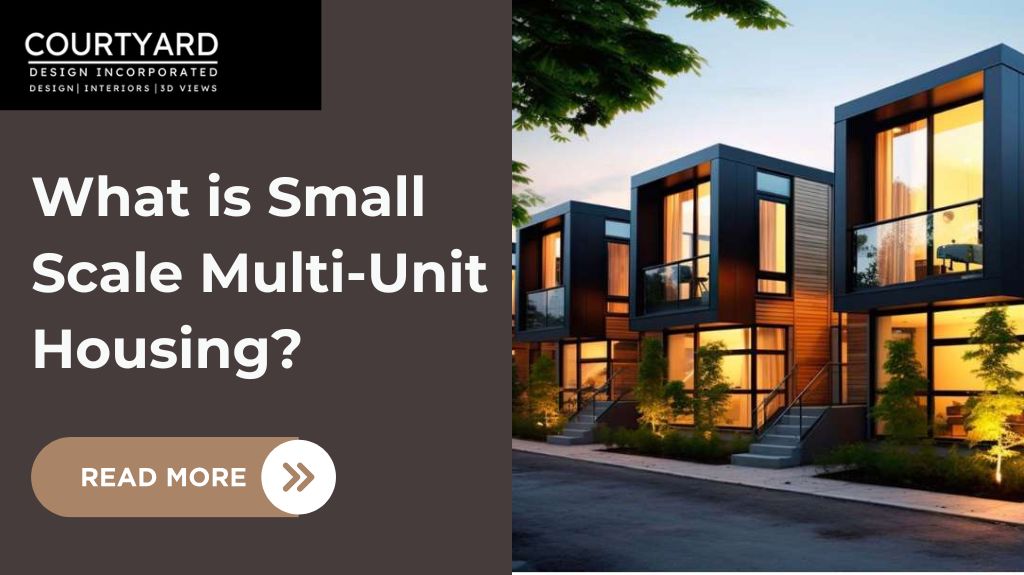
Affordability and availability are two main factors that make owning a house a challenge for most middle income population in the lower mainland. Owning a house can be an expensive dream that not all are able to fulfil. However, Small Scale Multi-Unit Housing (SSMUH) is changing the dynamics, making things easier for homeowners from diverse backgrounds. These are great alternatives for single-family housing as they are easy to build/buy and offer a lot of flexibility in terms of getting what you desire. Examples of small-scale, multi-unit housing include: Secondary suites in single-family dwellings Detached accessory dwelling units (ADUs), like garden suites or laneway homes Triplexes Townhomes House-plexes Unlike large apartment complexes, these smaller developments are easier to manage and finance, making them an appealing choice for new investors and first time home buyers. Zoning Changes Around BC – Making SSMUHs More Accessible and Affordable Across BC, new zoning regulations have been devised, making these housings a lot more accessible to all. This development has encouraged various communities to expand and flourish while fulfilling all their housing needs. New zoning regulations in British Columbia now permit these small scale multi unit housing in single-family zones across municipalities and regional district electoral areas. The best thing is that these developments don’t require rezoning. Zoning updates now require municipalities to allow four to six units on properties zoned for single-family or duplex homes under specific conditions. If a property lies within an urban containment boundary set by a regional growth strategy or in municipalities with populations exceeding 5,000, regardless of containment boundaries. For properties larger than 280m² near frequent bus routes, zoning permits up to six units. These changes promote transit-oriented development, encouraging sustainable living by enhancing housing density and reducing dependence on personal vehicles. SSMUH Benefits Realty is one industry that has mostly been in demand. A house is on the cards for most of us. And when housing becomes affordable and accessible, it brings heaps of benefits for both buyers and sellers. For most part, the skyrocketing prices and, thus, the out-of-reach factor has hurt both parties in the business. While buyers have had little to no courage to shell out the enormous amounts to buy homes, sellers have struggled to find appropriate clients. However, SSMUH have probably changed the game for most. Now, there are multiple benefits to be reaped. Benefits for Buyers: There couldn’t have been better news for home buyers than this. Being able to purchase a house that fits the budget and still offers all desired facilities is truly a dream come true. Affordability: This is surely the biggest benefit SSMUH provide. Housing options like a houseplex or a townhome are rather more affordable alternatives to single-family homes. This is especially true for markets that are highly competitive. More Options and More Flexibility: Having a house that offers multiple units means that you can simultaneously rent out portions of the house, enabling extra income. It also gives the option of multi-generational living, giving stronger financial support and living options. Value for Money: If your SSMUH is located near a transit, the value for money factor increases quite a bit. You can reduce your reliance on cars and frequently use public transport. Zoning permits up to 6 units for the lots which are located within 400 meters of frequent bus stops and also have no/minimum parking requirements. . Benefits for Sellers: Higher Property Value: Multi-unit properties means all the above-mentioned advantages, making them more attractive to buyers. The higher the demand the desirability quotient, higher is the property value. It increases even more if the property is local near transit. Increased Demand: The selling options increase multi-fold since such properties are conducive to a large audience – from buyers looking to rent out or families wishing for more flexible living arrangement. Additional Units-More Investment Options: If the property has additional units (ADUs) on the same lot as a primary dwelling , it automatically becomes more attractive to investors. In conclusion, Small Scale Multi-Unit Housing offers a compelling solution to the challenges of affordability and availability in today’s housing market. With supportive zoning changes across BC, SSMUH provides buyers with more affordable options, greater flexibility, and excellent value, while offering sellers increased property value and wider market appeal. SSMUH represents a win-win scenario for both buyers and sellers, contributing to more sustainable and accessible communities.
The Ultimate Checklist for Building a Custom Home
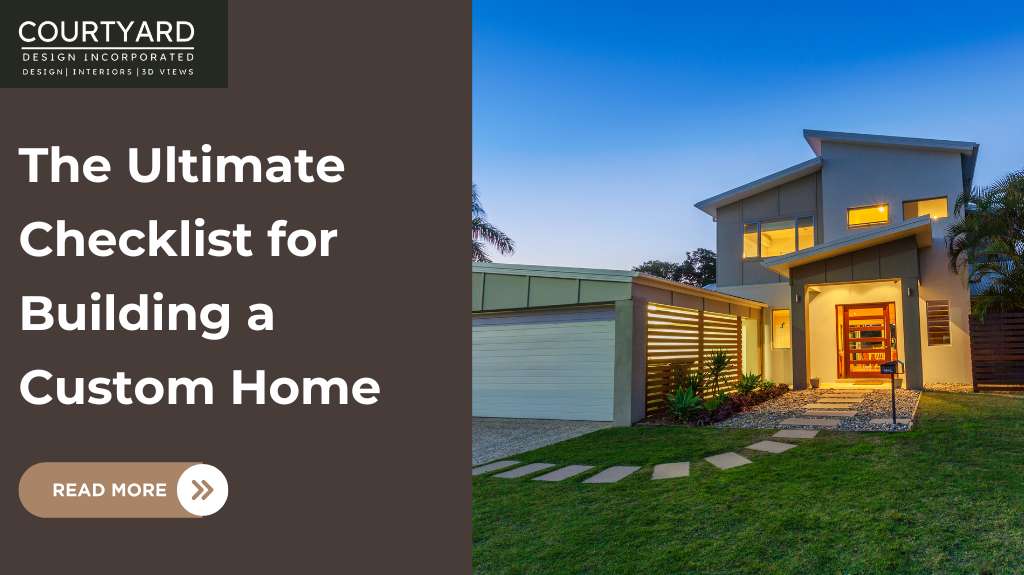
Owning a home of your own is something we all dream of. Creating an abode that reflects your personality can be truly satisfying. Having a home which reflects your dream and unique personality can come only when you build a custom home. A ready to move house will be generic, having characteristics that you might not identify or relate with. It would be the imagination of the builder/ developer . But when you build a custom house, you can create something that’s particularly you. From the floor plan to the overall layout to the exterior designs, you can customize everything. However, it is not a cakewalk to customize the entire house. It requires thoughtful preparation, meticulous planning and a proper understanding of how houses need to be built and a lot more. From finding the right location, purchasing the land that has no dues/disputes, finances, legalities, insurance, etc. there is a plethora of things that need to be taken care of before you can move towards fulfilling your dream. In this article, we will provide you with the custom home design checklist and custom home building guide. These will help you design your dream home. Understand the Custom Home Building Process Thoroughly The first step towards your dream house is creating a custom home design checklist, which should include every step and details about what you need to do to get the process started and conclude. Here’s how you can go about it: Select the right location – the land topography, natural features, the right slopes, registered covenants, accessibility etc. Build a team – the right team of people who would help you get through this process, including designer, engineers and contractor, etc. Finance – detail out your finance, available funds and future monthly mortgage. Check zoning regulations, permitted built areas and if it aligns with your needs. Neighborhood’s attributes – Check for schools, hospitals and accessibility to other important facilities. The best way to stay ahead of the curve when planning a custom house is to detail out your custom home design checklist as much as possible. This list should be a reflection of your vision, style, preferences, budgetary details, etc. Once your checklist is thorough, you can move forward. Download: 17-Point Custom Home Design Checklist Create the Floor Plan After getting the nitty-gritty done, you can start with charting out the floor plan, selecting the kind of aesthetics you would want in your home, creating the right look and feel inside that will reflect your personality and, finally, ensuring that all of this is done in the right way. The floor plan must include: The overall size and layout of the entire house, with individual elements designed to perfection. These may include: Bedrooms – number of bedrooms you desire including guest rooms. Kitchen – Think of the overall kitchen layout, how you will place the appliances and whether it will be island or breakfast nook or both. Bathrooms – Again, decide on the number of bathrooms you need for daily convenience (the number of full and half bathrooms). Balcony – Which part of your home will have balconies (whether you want a bedroom balcony for reading a book with a cup of coffee or one in the living room to host a barbeque or party). Open spaces – A great house design is not just about living spaces, but also about right number of open spaces and where they feature in the layout. Flex spaces – Incorporating a flexible space in your home not only provides a refreshing change of pace, but it also adapts to your evolving needs over time, ensuring your living environment remains versatile and future-ready. Sort Out Interiors and Aesthetics You must also consider how and where the sunlight will enter the house, wind direction, creating enough flow of air, etc. Storage space is also something you must consider. The aesthetic elements may cover the interiors, color scheme, what kind of flooring you would like, ceiling design, lights and other decorative items, baseboards, built-in elements, if there can be a fireplace, and other custom elements. Color – Choose a palette that reflects your personality and the kind of mood you wish to create in your home. Flooring – Whether it will be hardwood or carpet, flooring is again a very important aspect for creating a comfortable and aesthetic living space. The lights – Lights are not just essential for their obvious function (to provide enough light at night) but they also set the right mood. From yellow dim mood lamps to bright LEDs, there are options aplenty. Check Construction Details Once all the details are on paper, you can get down to constructing the house. This is the business end of the entire process and you must take absolute care when the construction phase is on. A few things you must pay special attention to can include framing and structure (the absolute basic-building blocks of any building), footing and slab pouring, electrical layouts, plumbing, fire rating, and HVACs. Do ensure that you regularly check on these elements. Be very vigilant as these aspects will decide how good your house is built. The other minute details that you can take care of once the skeleton of the house is ready include, drywall, flooring, cabinets and other storing spaces, paints, trims, switches, circuits, appliance spaces, kitchen design, special fittings, etc. If you really want to amp up the things, you can also opt for landscaping and exterior designing. You can either hire a landscape architect or simply do it yourself. This may include your garden, driveway, pool, designated space of patio, and other exterior amenities. Final Checks Before Moving In Your custom home design is complete, you have done all the hard work, paid enough attention to all the finer details and ensured that everything is in place. Now is the time to move in. Of course, before you can settle down in your newly built home, you will need to do a thorough clean-up of all